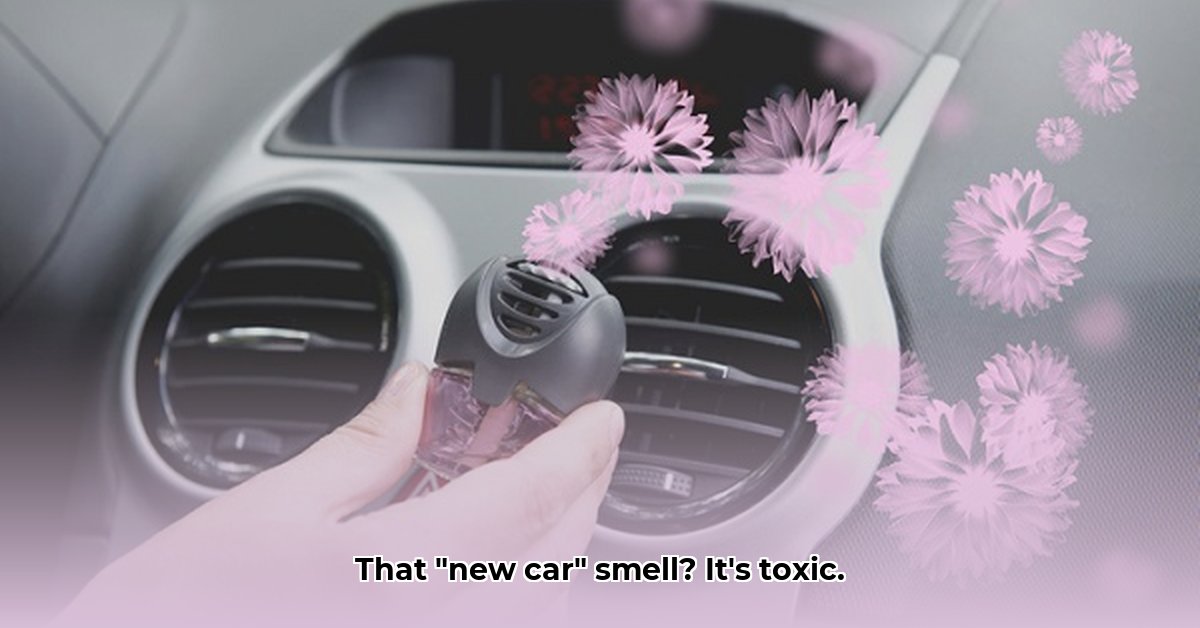
That intoxicating new car smell—a sensory experience many associate with excitement and freedom—is actually a complex cocktail of volatile organic compounds (VOCs). This article delves into the science behind that alluring aroma, explores potential health implications, and offers practical solutions to minimize exposure, addressing both manufacturer efforts and consumer actions. For dealing with lingering odors, see our guide on removing car smells.
What is New Car Smell?
The "new car smell" isn't just a pleasant fragrance; it's the result of a process called outgassing. Various materials used in car manufacturing—plastics, adhesives, fabrics, and more—slowly release volatile organic compounds (VOCs) into the air. These VOCs, a complex mixture of chemicals, create that distinctive scent. Common culprits include toluene, ethylbenzene, styrene, and xylenes. The concentration and type of VOCs vary depending on the car's make, model, and the specific materials used, resulting in a unique olfactory signature for each vehicle.
Health Implications: Fact vs. Fiction
While the new car smell is often considered appealing, exposure to high concentrations of VOCs has been linked to various health issues, including headaches, dizziness, and respiratory irritation. However, it's crucial to understand the context. Most studies focusing on adverse health effects involve significantly higher VOC concentrations than those typically found within a typical new car.
The scientific consensus on long-term health impacts from typical new car VOC levels remains inconclusive. Some research suggests minimal risk at standard levels, while others highlight potential concerns, emphasizing the need for further, more comprehensive research. Individual sensitivity also plays a crucial role; what might cause discomfort for one person may not affect another.
Manufacturer Efforts & Regulations
Auto manufacturers are increasingly aware of the concerns surrounding VOCs. Many are actively incorporating greener, low-VOC materials, such as soy-based foams, into their manufacturing processes. However, completely eliminating the new car smell presents significant challenges. Current regulations primarily focus on exhaust emissions, with less emphasis on interior VOCs. This is gradually changing, with a growing push for stricter regulations concerning the composition and emission levels of interior materials.
Practical Advice for Consumers
Reducing your exposure to VOCs in your new car is achievable through several practical steps:
Maximize Ventilation: Regularly open windows and doors to allow fresh air circulation and facilitate the removal of VOCs. Even brief periods of ventilation can make a substantial difference.
Employ Air Purifiers: Consider using a portable air purifier equipped with a HEPA filter to effectively remove airborne VOCs from within the car's cabin.
Harness Sunlight's Power: Parking your car in direct sunlight can help degrade some VOCs through UV radiation.
Activated Carbon Filters: Place activated carbon (charcoal) filters or bags inside the car to absorb VOCs from the air.
These strategies, while not completely eliminating the VOCs, can significantly reduce your exposure. Beyond these personal actions, actively supporting stricter regulations and demanding greater transparency from auto manufacturers regarding interior material compositions is crucial.
Conclusion: The Ongoing Journey
The new car smell story remains a blend of chemistry, consumer perception, and public health. While improvements are being made, further research is essential to better understand the long-term health effects of exposure to VOCs at common levels found in new vehicles. Greater transparency from manufacturers, along with stronger regulations, will lead to a safer and better-informed consumer experience. The journey towards a complete understanding of the new car smell and its implications is ongoing, requiring both scientific advancement and consumer advocacy.
- Pivotal Points:
- The new car smell, primarily VOCs, varies greatly depending on manufacturing materials.
- More research is needed to definitively assess long-term health impacts from typical in-car VOC exposure.
- Consumers can significantly reduce exposure through simple yet effective strategies, such as ventilation and air purifiers.